
- The Format and Why It Matters for Betting
- Home Advantage in Six Nations Context
- Historical Patterns Worth Following
- Reading Form Heading Into the Tournament
- Match Betting Strategies for Six Nations
- Outright and Special Markets
- Weather and Conditions Across the Championship
- Building Your Six Nations Betting Approach
- Live Betting During Six Nations Matches
- Managing Your Six Nations Betting Bank
There is no tournament quite like the Six Nations. Every February and March, six proud rugby nations put everything on the line across five weekends of intense competition. The stakes extend beyond trophies and rankings into something deeper, touching national identity and generations of rivalry that makes every fixture feel like more than just a game. For bettors, this emotional intensity creates a landscape unlike anything else in rugby, filled with opportunities for those who understand what makes this championship tick.
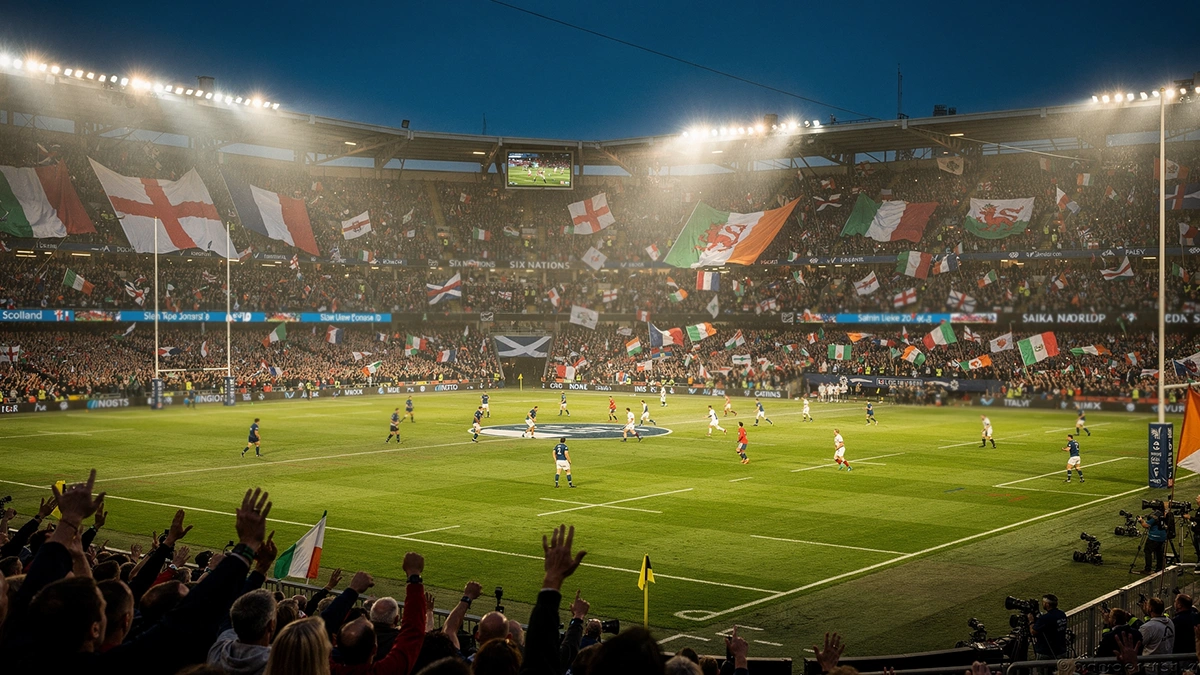
The Six Nations brings together England, France, Ireland, Wales, Scotland, and Italy in a round-robin format where everyone plays everyone once. That structure means every match matters. There are no second chances, no group stage qualifications, just fifteen fixtures that determine who lifts the trophy and who endures another year of disappointment. This compressed format amplifies pressure in ways that affect performance and create betting angles available nowhere else.
Understanding Six Nations betting requires appreciating the tournament’s unique characteristics. Home advantage matters enormously when partisan crowds pack famous grounds. Historical rivalries produce patterns that persist across decades. Form from autumn internationals may or may not translate into spring performance. Weather conditions in Northern Hemisphere winter fundamentally shape how matches unfold. Each of these factors deserves careful consideration before placing any wager on this magnificent championship.
This guide examines what makes Six Nations betting distinctive and how you can approach the tournament with greater sophistication than casual punters who simply back their national team regardless of value. By the time you finish reading, you will see the championship through different eyes, recognising opportunities that others miss entirely.
The Format and Why It Matters for Betting
The round-robin format creates natural advantages and disadvantages based purely on fixture scheduling. Each team plays three matches at home and two away, or vice versa, with the draw alternating year to year. This seemingly simple arrangement profoundly affects each nation’s chances before a ball is kicked.
A team with three home matches in a given year enjoys a significant structural advantage. Playing at Twickenham, the Aviva Stadium, Stade de France, Principality Stadium, Murrayfield, or Stadio Olimpico in front of passionate home support produces measurably better results than travelling to those same venues. When assessing outright tournament odds, the first thing to check is which teams benefit from favourable draws.
The fixture sequence also matters within the home and away split. Opening the tournament away from home against a rival creates different pressure than starting with a home fixture against weaker opposition. Building momentum through early wins sets up late-tournament clashes differently than limping into crucial matches after disappointing starts. Reading how the schedule advantages or penalises each team’s likely path to the title refines your outright market assessments.
Specific fixtures carry weight beyond their immediate points impact. The Calcutta Cup between England and Scotland generates intensity that occasionally produces unexpected results. Le Crunch between France and England stirs historical animosity that players feel keenly. Wales versus England in Cardiff creates an atmosphere that has undone many talented English sides. These tribal encounters introduce volatility that standard form analysis may underweight.
Italy’s position in the tournament warrants special consideration. The Azzurri have struggled to be competitive since joining the championship, winning only a handful of matches in over two decades of participation. This creates heavily lopsided markets when Italy play, with opponents often priced at prohibitive odds. Finding value in these matches requires creativity, perhaps through handicap markets or totals betting rather than straightforward match winner selections.
The Grand Slam, winning all five matches, remains the ultimate achievement and carries its own outright betting market. Teams pursuing the Slam face intensifying pressure as each round passes, knowing that one slip destroys everything. This pressure affects late-tournament matches involving Slam contenders, often producing tighter, more conservative rugby as the stakes escalate beyond mere championship positioning.
Home Advantage in Six Nations Context
Home advantage in the Six Nations exceeds typical home advantage in club rugby. International rugby compresses representation into fewer fixtures with higher stakes, and the crowds who attend bring passion that club matches rarely match. Understanding how each venue affects visiting teams helps you assess matchups more accurately than odds alone suggest.
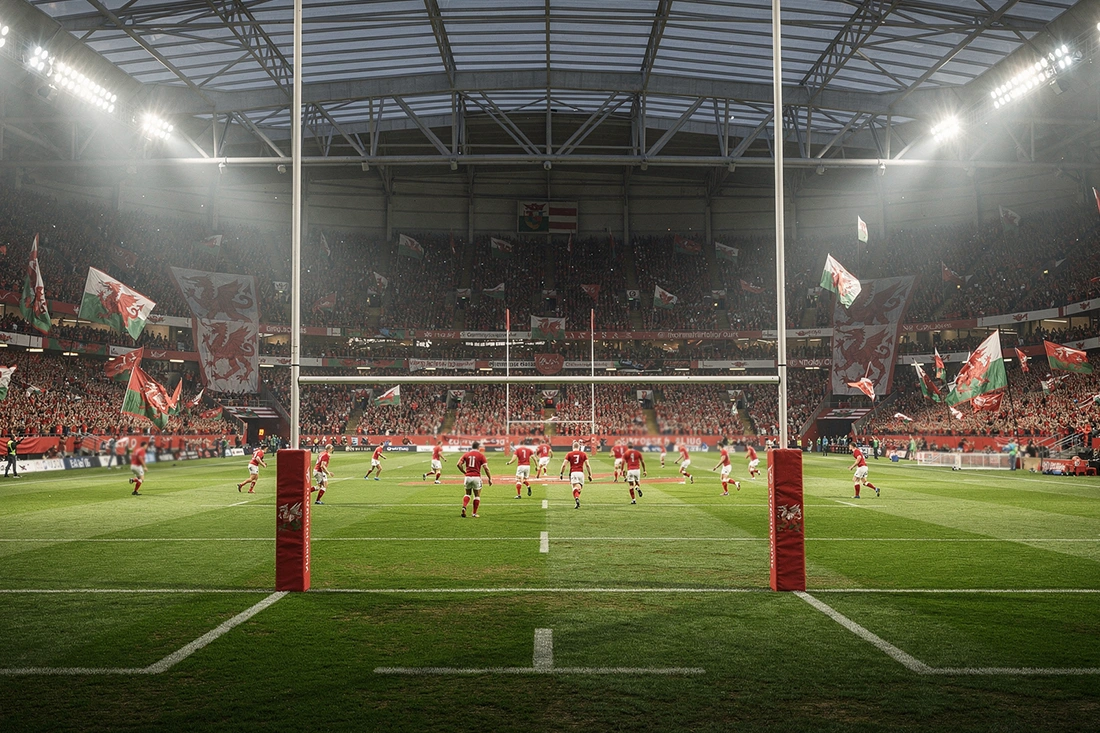
The Principality Stadium in Cardiff deserves particular attention. The retractable roof allows Welsh rugby authorities to create a cauldron atmosphere regardless of weather, and the proximity of seats to the pitch amplifies crowd noise that visiting players find genuinely intimidating. Wales at home in the Six Nations have produced famous upsets against supposedly superior opposition, and their odds often undervalue this environmental factor.
Twickenham presents a different challenge. The stadium’s size and England’s historical success create expectation that weighs on opponents, but the atmosphere can feel less hostile than smaller, noisier grounds. England perform well at home because of their squad quality rather than overwhelming environmental advantage, which means visiting teams with strong mentality can compete effectively. The home advantage premium for England should be smaller than for Wales or Scotland in your assessments.
Murrayfield has become a genuine fortress during Scotland’s recent resurgence. The crowd’s renewed belief in their team translates into vocal support that lifts players through difficult moments. Scotland at home against anyone except perhaps Ireland and France now represent dangerous opponents that market odds sometimes fail to respect fully. Their away record remains patchier, creating a significant gap between home and away versions of the same team.
The Aviva Stadium in Dublin combines modern facilities with informed crowds who understand the game deeply. Ireland playing at home against Six Nations opponents have compiled an excellent record because their supporters create the right balance of encouragement without pressure that becomes counterproductive. Irish home advantage is real but less volatile than Welsh home advantage, producing consistent rather than spectacular effects.
Stade de France offers an inconsistent environment. When French rugby is thriving, the Parisian crowd generates genuine electricity that lifts the home side. When French rugby disappoints, the same crowd can turn hostile toward their own team, creating negative atmospheres that compound problems. Reading the mood around French rugby heading into each tournament helps predict whether home advantage will manifest positively.
See also Rugby World Cup betting.
Historical Patterns Worth Following
Rugby nations develop tendencies over time that persist beyond individual player generations. Recognising these patterns provides betting insight that purely contemporary analysis misses.

Wales have historically produced inconsistent campaigns punctuated by moments of brilliance. They can beat anyone at home on their day but struggle to maintain form across all five fixtures. Backing Wales in individual matches, particularly at the Principality Stadium, often offers better value than backing them for outright championship success. Their inability to close out tournaments despite obvious talent has defined Welsh rugby for decades.
Ireland have become the most consistent Six Nations force in recent years, combining smart coaching with deep squad quality. Their disciplined approach produces reliable performances that translate into predictable results more often than emotional volatility affects outcomes. This consistency makes Ireland popular with serious bettors who prefer lower variance, though their odds often reflect this reliability, compressing available value.
France remain the enigma they have always been. Capable of sublime rugby that destroys any opponent, they are equally capable of inexplicable performances that defy all logical expectation. Betting on France requires accepting higher variance in exchange for better odds when they do perform. Recent improvements in French domestic rugby and coaching structure suggest growing consistency, but transformation takes time.
England bring resources and expectation that do not always produce corresponding results. The pressure of playing for England weighs on players in ways that affect tournament performance. They remain perpetually among the favourites based on squad talent, yet their Six Nations conversion rate on that favouritism disappoints over extended periods. Fading England at short prices when they face trips to Cardiff or Dublin has been historically profitable.
Scotland have emerged from decades of struggle to become genuine competitors. Their trajectory over recent championships has been upward, with belief replacing the resignation that once characterised Scottish rugby. Betting markets have adjusted somewhat but may still underweight Scotland’s ceiling in specific circumstances. They remain most dangerous at Murrayfield against teams they match up well against stylistically.
Italy continue searching for their first sustained period of competitiveness. Individual matches occasionally produce closer results than expected, but backing Italy to win matches remains a high-risk proposition with limited logical support. Their presence in the tournament affects betting markets more through the handicap and totals implications of their fixtures than through genuine competitive intrigue.
Reading Form Heading Into the Tournament
Six Nations form builds on autumn international performance but does not simply extend it. The gap between November tests and February championship openers allows for significant changes in preparation, personnel, and mentality. Assessing how autumn form translates requires nuance.
Teams that performed strongly in November enter the Six Nations with confidence but also with opponents who have studied their approach and developed counters. Success breeds attention, and the element of surprise that contributed to autumn wins may not repeat when rivals have seen the playbook. This regression to mean affects heavily backed favourites whose November form attracts public money.
Conversely, teams that struggled in autumn may have used the intervening period productively. Coaching changes, refined selections, and fresh approaches can transform prospects between November and February. Discounting teams entirely based on poor autumn results ignores the potential for genuine improvement. Some of the best Six Nations performances have followed disappointing autumns as squads respond to criticism with purpose.
Injury updates between November and February significantly affect squad composition and therefore form continuity. A team that dominated in autumn but loses key players before the Six Nations presents a different betting proposition than their recent results suggest. Monitoring injury news throughout January and early February refines your assessments as team selections become clearer.
Domestic club form for England and France players provides additional data points. Players competing in the Premiership and Top 14 between internationals accumulate form indicators that inform their likely condition entering the Six Nations. Irish, Welsh, and Scottish players have fewer meaningful club fixtures during this period, making their autumn form more directly relevant.
Weather forecasts deserve attention as the tournament approaches. Cold, wet conditions across Northern Europe in February and March affect playing styles and favour teams built for attritional rugby. Dry, faster conditions enable more open play and suit different team profiles. Matching expected conditions to team strengths helps identify value beyond what baseline form analysis captures.
Match Betting Strategies for Six Nations
Individual match betting in the Six Nations demands appreciation for how tournament context affects each fixture. Early rounds establish momentum that carries into later rounds. Late rounds involve championship implications that transform how teams approach matches. Every fixture exists within a broader narrative that affects outcomes.
Opening weekend matches produce unpredictable results more often than later rounds because teams are still finding their tournament rhythm. The rust from limited recent game time combines with early-season nerves to create volatility that bookmakers may not fully price. Backing slight underdogs in opening fixtures has historically delivered value because favourites underperform their potential.
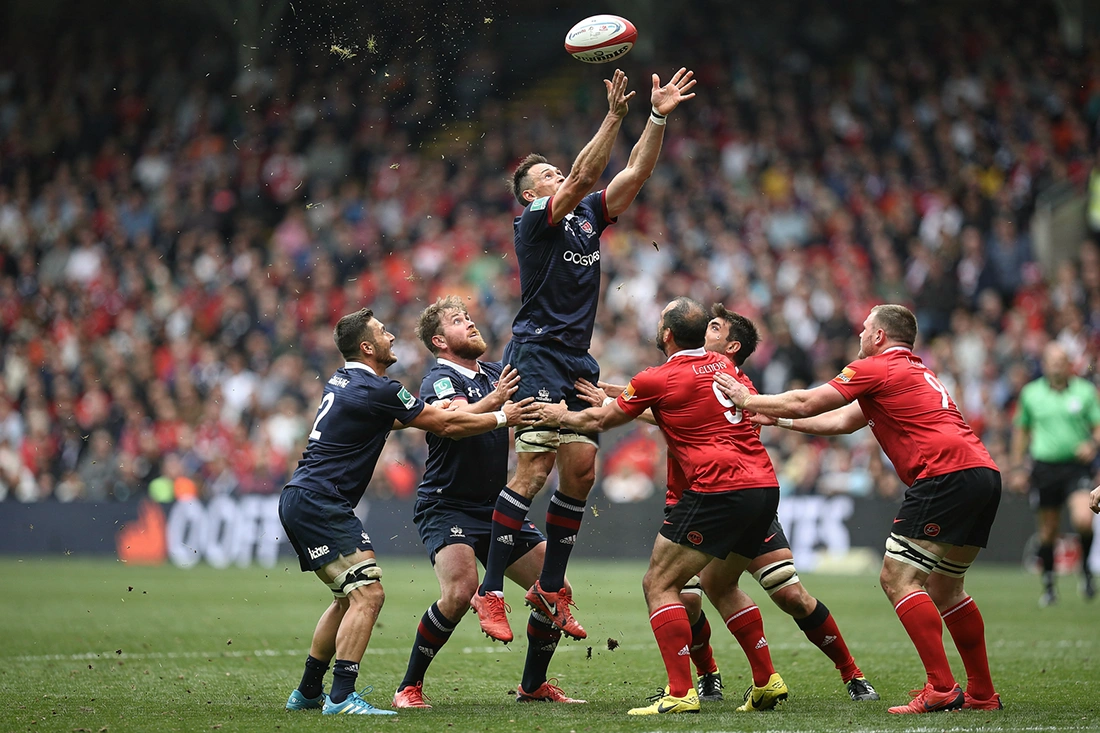
Super Saturday, the final day of the tournament, generates unique betting dynamics. Three matches kicked off at staggered times mean championship standings can shift throughout the day. Teams know exactly what they need to do as they take the field, which affects tactical approaches. A team needing to win by a specific margin plays differently than one simply needing any victory. These mathematical requirements create totals and handicap angles unavailable in normal circumstances.
Dead rubber matches between teams with nothing to play for produce unreliable rugby. Players’ minds drift toward domestic obligations or summer commitments. The intensity that characterised earlier fixtures dissipates when stakes evaporate. Betting on these matches involves accepting that normal form indicators may not apply because motivation fundamentally differs.
Matches between teams pursuing different objectives create asymmetric dynamics worth exploiting. When one team needs a big win for championship purposes while their opponent simply wants to avoid embarrassment, the aggressive team often dominates territorial play while the defensive team frustrates their attempts at tries. This produces scorelines that confound both totals and handicap markets set based on raw team quality.
Outright and Special Markets
Championship outright betting opens months before the tournament and evolves as information emerges. Early prices often offer the best value because uncertainty is highest, but they also require longer-term conviction. Waiting until team news clarifies reduces uncertainty but typically means accepting shorter odds on genuine contenders.
Grand Slam markets reward identifying teams capable of sustained excellence across five challenging fixtures. This is harder than it sounds because the Six Nations format leaves no room for recovery. One bad day eliminates Slam possibilities entirely. Teams with exceptional depth and mental resilience convert potential into Slams more reliably than those relying on everything going right.
Top try scorer markets in the Six Nations attract casual bettors toward famous names without considering opportunity. Wingers on dominant teams score most tries because their sides create chances through territorial superiority. Backing a talented winger on a struggling team means betting against the mathematical reality that fewer overall tries limits individual opportunity.
Wooden Spoon betting, on which team finishes last, has been dominated by Italy since their tournament inclusion. Betting against Italy taking the Wooden Spoon requires identifying another team likely to lose all five matches, which has happened only rarely. The market offers minimal value most years because the outcome is so predictable.
Points spreads across entire tournaments offer alternative ways to express views on team quality. Rather than betting on binary outcomes, you can bet on a team’s cumulative point differential or total tries scored. These markets suit bettors who have strong views on team strength without wanting to commit to match-by-match predictions.
Weather and Conditions Across the Championship
February and March weather in Northern Europe varies enormously between mild, dry spells and brutal winter conditions. Each extreme favours different teams and playing styles, making forecasts genuinely relevant to Six Nations betting.
Rain affects handling more than any other weather factor. Wet balls slip from hands, passes go astray, and ambitious attacking play becomes higher risk. Teams built on forward power and kicking ability thrive in wet conditions because their approach minimises handling requirements. Teams relying on backline brilliance struggle when conditions prevent their usual patterns.
Wind at coastal grounds like Dublin and Edinburgh can make goal kicking a lottery. Normally reliable kickers miss straightforward attempts when gusts intervene. Teams that rely heavily on penalty accumulation for points suffer when conditions undermine kicking accuracy. Matches played in high wind typically see lower scores than calm conditions produce.
Cold temperatures affect older players more than younger ones. Experienced campaigners who have accumulated injuries over long careers feel the cold in joints and muscles, potentially affecting performance. Teams with older squads may underperform in particularly frigid conditions compared to younger, more physically resilient opposition.
Pitch conditions in the Six Nations generally remain excellent because groundskeepers prioritise these showcase fixtures. Unlike club rugby where repeated use degrades surfaces, Six Nations matches take place on carefully prepared pitches that minimise the impact of mud and torn ground. This favours running rugby compared to winter club matches.
Building Your Six Nations Betting Approach
Successful Six Nations betting combines tournament-specific knowledge with general rugby betting principles. The unique characteristics examined throughout this guide provide edges, but only when integrated into a disciplined overall approach.
Start by assessing the draw before the tournament begins. Which teams benefit from favourable home and away splits? Which teams face the toughest schedules? This structural analysis identifies value in outright markets before any rugby is played. Teams with easier paths are undervalued when the draw falls their way.
Track injury news obsessively from January onwards. Squad announcements reveal who will actually play rather than who might play. Late withdrawals and surprise inclusions shift probabilities that odds may not immediately reflect. Being among the first to incorporate team news into your assessments captures value before markets adjust.
Watch autumn internationals with notebook in hand. Identify patterns, strengths, and weaknesses that will carry into the Six Nations. Note how teams performed against different styles of opposition. This observational data combines with statistics to produce more accurate probability estimates than either source alone provides.
Consider match context before every fixture. What do both teams need from this match? How does tournament position affect their approach? Are external factors like injuries, weather, or travel likely to influence outcomes? Contextual analysis distinguishes sophisticated bettors from those who simply look at rankings and recent results.
Finally, maintain discipline through the tournament. Early results will challenge your pre-tournament views. Resist the urge to abandon sound analysis after one weekend of surprises. The Six Nations rewards patience and conviction based on thorough preparation rather than reactive chasing of short-term results.
The championship offers five weekends of compelling rugby and genuine betting opportunity for those prepared to do the work. Understanding what makes the Six Nations unique positions you to find value that casual bettors overlook. That edge, applied consistently across the tournament, separates profitable engagement from hopeful punting on whichever team your heart supports.
Live Betting During Six Nations Matches
In-play betting adds another dimension to Six Nations wagering that rewards attentive viewers who can read matches as they unfold. The intensity of championship rugby produces momentum shifts that create value windows for bettors positioned to act quickly.
Early tries do not necessarily predict final outcomes in Six Nations matches. Teams trailing by ten or fourteen points at half-time regularly mount second-half recoveries, particularly when playing at home with crowd support. Live odds often overreact to first-half scoring, creating opportunities to back teams who have underperformed their underlying quality in the opening forty minutes.

Yellow cards create numerical advantages that dramatically affect match dynamics. A team reduced to fourteen players typically concedes territory and possession while defending desperately for ten minutes. Live totals and next scoring team markets respond to these situations, sometimes offering value if the market underestimates how effectively the reduced team can defend or overestimates the likely scoring from the side with extra players.
Weather changes during matches deserve attention from live bettors. If rain begins falling in the second half of a previously dry match, scoring patterns shift toward fewer tries and more kicks at goal. Conversely, improving conditions may open up matches that started conservatively. Reading these environmental shifts before bookmakers adjust their live lines captures value unavailable to pre-match bettors.
Fatigue becomes visible in the final quarter of intense Six Nations matches. Teams that have made more tackles, carried more ball, and competed harder at breakdowns start to flag physically. This manifests in slower reaction times, increased handling errors, and defensive lapses that concede tries. Identifying which team is winning the fatigue battle helps predict late-match outcomes that determine final margins and totals.
Substitution patterns reveal coaching intentions that affect live betting assessments. When a team brings on attacking replacements while protecting a narrow lead, they may be planning to extend their advantage rather than simply hold on. Defensive substitutions suggest the opposite approach. Matching these tactical signals to live market opportunities enhances your in-play decision-making throughout championship matches.
Managing Your Six Nations Betting Bank
The concentrated nature of the Six Nations, just five weekends with multiple high-profile fixtures each weekend, demands thoughtful bankroll management distinct from betting on weekly club rugby. Poor discipline through the championship can destroy months of careful work in other markets.
Setting a tournament budget before the Six Nations begins provides essential constraint. Decide what percentage of your overall betting bankroll you will allocate to championship wagering and stick to that figure regardless of early results. Neither hot starts nor cold ones should trigger deviation from your planned exposure.

Spreading stakes across the tournament prevents concentration risk. Rather than betting heavily on opening weekend when you feel freshest, maintain consistent staking through all five rounds. The temptation to increase bets late in the championship when outcomes feel clearer often leads to larger losses on unexpected results.
Recording every bet with detailed notes enables post-tournament review. What worked? What failed? Which factors proved more predictive than expected? This analytical approach transforms each Six Nations into a learning experience that improves your methodology for subsequent years.
The emotional nature of international rugby affects even experienced bettors. National pride, historical grievances, and tribal loyalties cloud judgement in ways that club rugby rarely triggers. Acknowledging these biases and actively correcting for them in your selections maintains the objectivity that profitable betting requires. If you cannot bet against your own country when the odds offer value, you are a fan first and a bettor second.
Six Nations betting guide on rugby betting.
